Flatline Van Co Roof Rack Installation Guide (New Version)

A step-by-step guide to installing the new version of the Flatline Van Co roof rack on a 2020 Ford Transit Mid-Roof, including faring and solar layout tips.

Flatline Van Co Roof Rack Installation Guide (New Version)

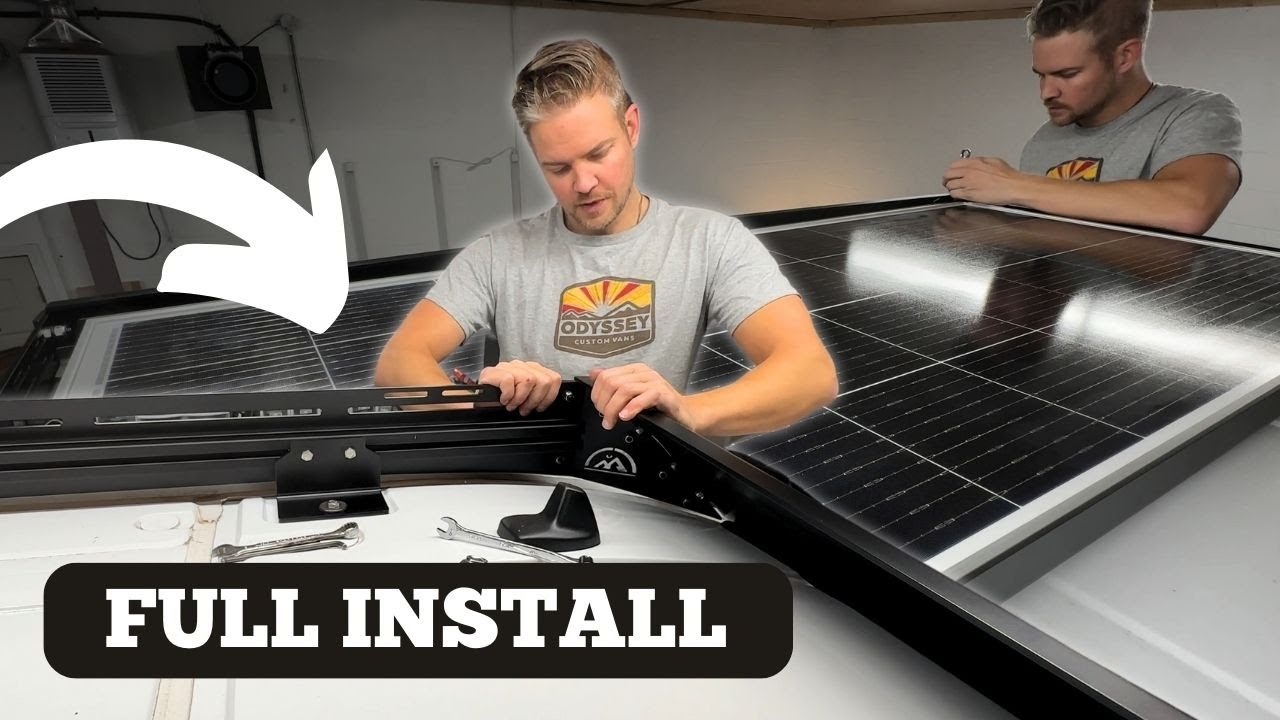
Installing a roof rack on your van isn't just about utility — it's about maximizing space, function, and style. In this detailed guide, we walk through the step-by-step installation of the new version of the Flatline Van Co Roof Rack on a 2020 Ford Transit Mid-Roof. Whether you're gearing up for solar panels, fans, or cargo, this updated roof rack design offers improved features and user-friendly installation for DIY van builders.

What's New in the Flatline Van Co Roof Rack System?

This new version features:

  • Redesigned low-profile brackets with adhesive backing for easy mounting
  • Angled design to match the van's curvature
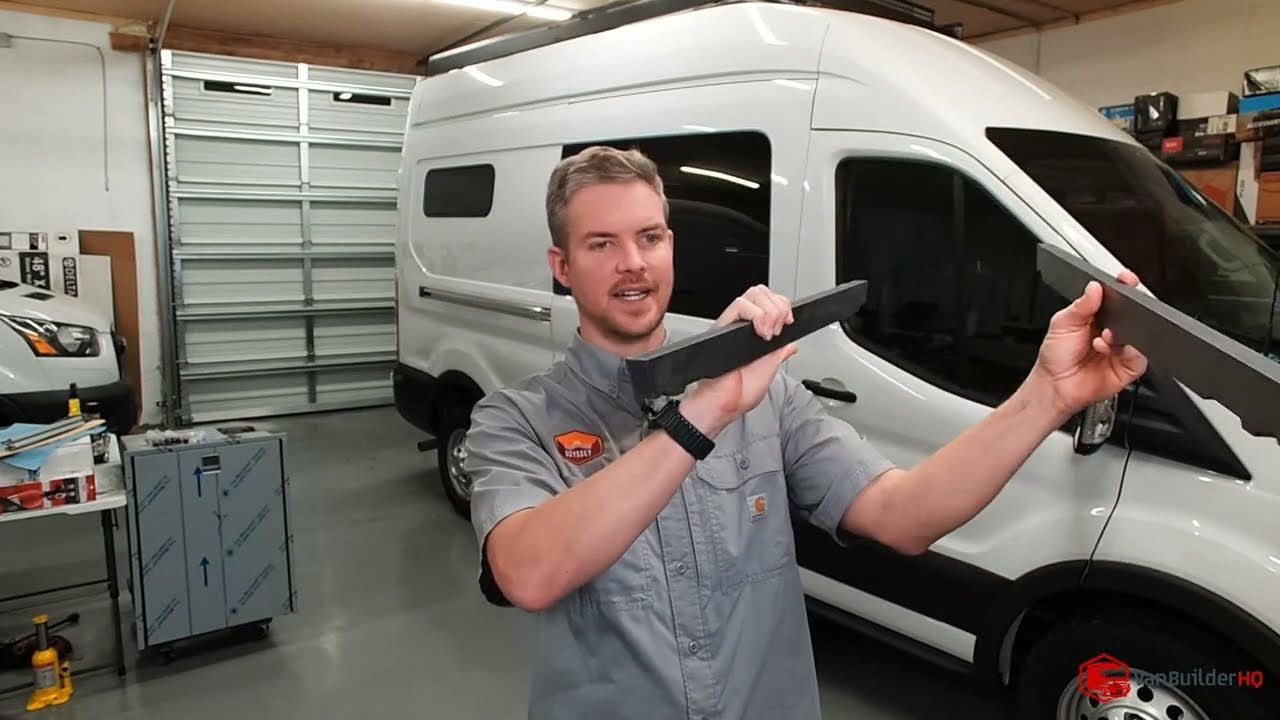
  • Flexible front faring to reduce wind noise and improve aerodynamics
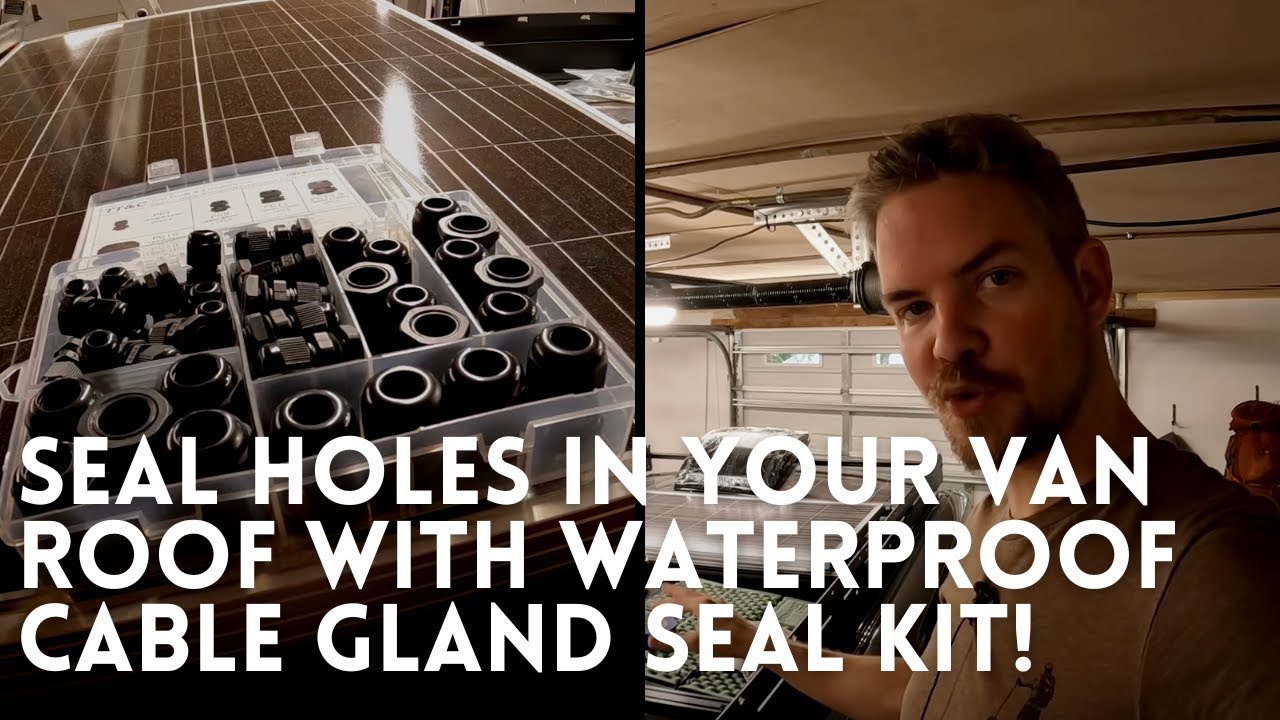
  • Improved sealing components for better weather resistance

What's in the Box?

The Flatline Van Co roof rack arrives in two separate boxes:

  • Box 1: Side rails, brackets, faring, and hardware kit
  • Box 2: 80/20-style aluminum crossbars

Key components include:

  • Automotive trim gasket (prevents faring from rubbing against the van)
  • Redesigned bracket set (lower profile with adhesive pads)
  • Connection plates to secure both side rails
  • Flexible faring with dual-finish surface (matte and glossy)
  • Complete hardware kit with screws, washers, and tools

Step-by-Step Roof Rack Installation

Step 1: Prep the Van Roof

  • Use a heat gun to warm the adhesive caps on roof holes.
  • Remove caps using Goo Gone and clean the surface with denatured alcohol.
  • Inspect each threaded insert — some may require slight grinding for bolt alignment.

Step 2: Install Mounting Brackets

  • Apply a thin bead of Dyflex Ultra Sealant to the underside of each bracket and screw head.
  • Use blue Loctite 242 on each bolt to secure them.
  • Tighten until the rubber washers begin to compress — don't overtighten, which can crack the rubber and compromise the seal.

Step 3: Add the Side Rails

  • Lightly bolt down the passenger and driver-side rails.
  • Do not fully tighten until all crossbars are installed to allow for alignment.

Pro Tip: Leave the rails slightly loose to allow perpendicular alignment when crossbars are inserted.

Step 4: Insert Crossbars

  • Begin from the front and work toward the rear.
  • Use a rag trick to slide bars across the roof without scratching the van.
  • Keep crossbars loose until they're all aligned, then tighten.

Installing the New Front Faring

Faring Improvements:

  • Made of a flexible, wind-noise-reducing material
  • Includes automotive-grade weather stripping
  • Better contoured to the van's profile

Installation Process:

  • Pre-assemble the brackets to the faring before mounting on the van.
  • Keep the faring-to-rail connection loose to allow alignment during final mounting.
  • Secure from center outward, adjusting the pitch to hug the roof curve.
  • Use included T-slot nuts, black screws, and lock washers to finish mounting.

Adjustment Tips and Pro Recommendations

  • Do not tighten side rails to the van roof fully until your layout is finalized.
  • Crossbar adjustability is critical for solar panels and fan placement.
  • Use the adjustable mounting slots for flexible component layout.

Ideal Dimensions for Solar Panel Layout

For Ford Transit Mid-Roof (148″):

  • Middle section: ~38" L x 54" W (fits a 175W Renogy panel perfectly)
  • Front section: ~22.5" L x 54" W
  • Rear section (optional): Use the additional included crossbar

Optional brands like Zamp Solar offer longer, slimmer panels for side installation, though they tend to be costlier.

Final Thoughts: DIY-Friendly and Flexible

Installing the Flatline Van Co Roof Rack (new version) is approachable for most DIY van builders and can be completed in a day. With thoughtful bracket engineering, built-in adjustability, and a stylish, noise-reducing faring, it's a solid upgrade for your Transit.

Key Takeaways:

  • Leave side rails and crossbars loose until final alignment
  • Use high-quality sealant and Loctite for long-term durability
  • Plan your solar and fan layout before locking in crossbars

Stay Tuned

We'll be publishing a step-by-step solar panel install next. If you have any questions, drop them in the comments — we're happy to turn them into future videos or blog posts!

roof rackFlatline Van CoFord Transitinstallsolarfaring
Keep Building

Related build guides.