 Build Guides
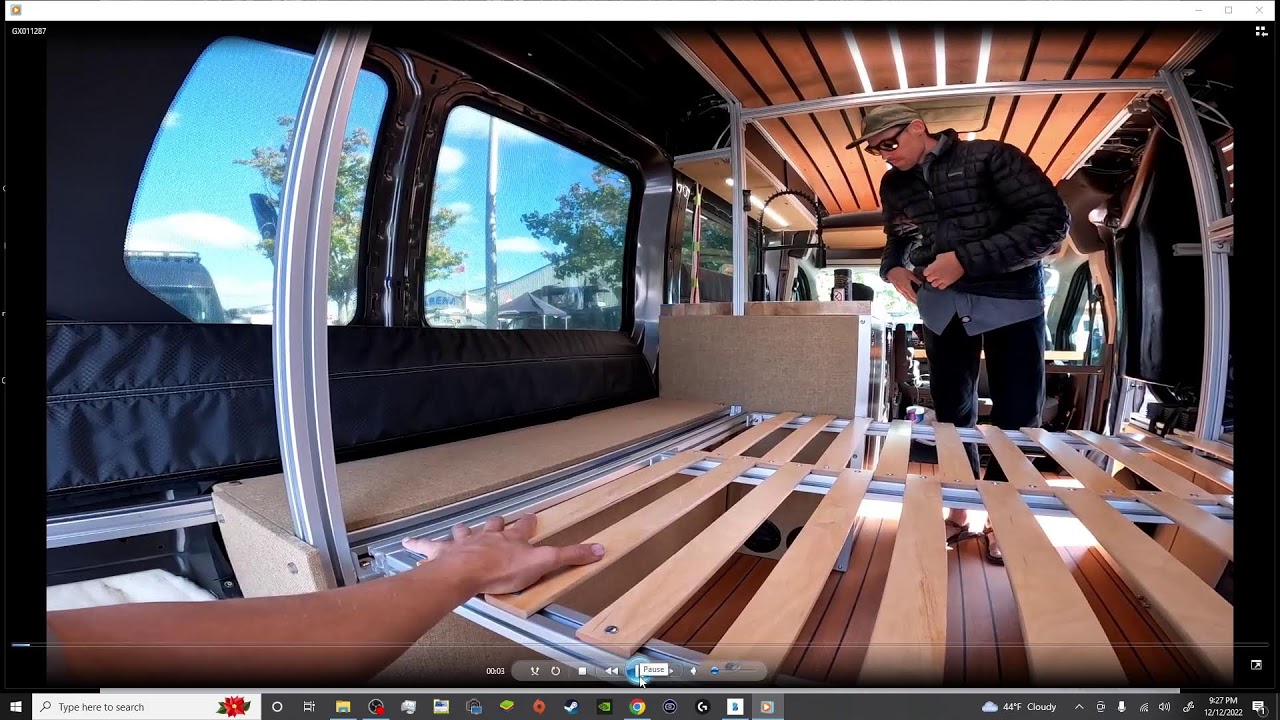
Building a Murphy Bed System in a Camper Van: Step-by-Step Guide
A step-by-step guide to building a fold-down Murphy bed in a medium roof Ford Transit using 8020 aluminum framing and spring-loaded hinges.

Thinking about a camper van roof extension? Compare buying a high roof, adding a pop-top, or raising the roof, with costs, limits and what to check first.
Part of: Windows, Roof & Vents

Hey guys, Nick here. A lot of you search for "camper van roof extension," and I get why. You're standing in a low roof van, bending your neck, and thinking there has to be a way to get more headroom without starting over.
There is, but it isn't one thing. When people say roof extension, they usually mean one of three different routes, and each one has a very different price, risk and amount of work. In this post I'm going to lay all three out, tell you what I've actually said about each one on the channel, and give you a checklist so you decide before you cut, buy or spend.
The short version:

This is the simplest "extension" there is, and it's the one I'd look at first. Vans come in low, medium and high roof versions from the factory, and the Ford Transit, Ram ProMaster and Mercedes Sprinter all offer more than one height. Swapping vans before you start building costs you some time on the classifieds. Cutting a roof costs you structure, money and weeks in the shop.
Some Transit specifics from our Ford Transit guide:
In our very first Van Builder HQ podcast I called the 148 high roof the sought-after van, because it isn't huge in the rear end and you can still park it in a normal parking space. For reference, my own personal van is a low roof 2019 Ford Transit 148 inch, so I live with the low roof trade-offs every time I'm inside it.
Our campervan roof guide lists the high roof trade-offs plainly. A hi-top gives you room to stand, a less cramped feel, and extra wall height for shelves and upper cabinets. The downsides are that it usually costs more, it can be tough in some garages and drive-thrus, and it can feel more tippy in windy conditions. So think about where you'll park it and how you'll use it before you pick a roof.
A pop-top lifts to create a tent-like space on top of the van. That gives you standing room and usually an additional bed that sleeps up to two. A lot of times they're installed on low roof vans, so when the top is down you can still drive and park in lower clearance spots.

What it costs. Prices vary with your van, your roof type and the style of pop-top. If you hire a professional, the roof guide puts it anywhere from $7,500 up to $15,000, and add-ons like paint, four-season insulation or a roof rack push it up from there. A DIY kit or a used pop-top can be a lot cheaper if you can install it yourself.
What I've said about them. In Podcast #2 back in 2022 we looked at a pop-top install that was priced at 14 grand. I told you guys I'm not hating on it, and that I think it's cool. But I also said that, from my engineering background, you're taking a saw to the roof and the cross members come out with it. You're removing part of the structure of the van. I'm not saying don't do it. I'm saying the further you go from what the Ford engineers designed, the more you should understand what you're changing, and if you notice a little warping or shifting later, you'll know where it came from. That's about caution, not a ban.
What's changed since. In that 2022 podcast I said pop-tops were only for low roof Transits at the time, with another company working on a reinforcing frame for the high roof. About a year and a half later, at Adventure Van Expo in Chattanooga, I walked through a high roof Ford Transit pop-top from Colorado Camper Van. The part that answered my structure question was the steel halo frame that reinforces the roof opening. You can see the whole walk-through in our post on the Ford Transit pop-top by Colorado Camper Van. I haven't installed one of these myself, so check with the company on your exact van and wheelbase.
Limits to know. A few numbers from the roof guide worth remembering:
Yes, you can add a high top to a low roof van, but this is the heaviest lift of the three. There are two paths: hire a professional if your budget allows, or do it yourself if you're qualified to cut the roof open and raise it.
I'm not going to give you a cut list here, because I haven't built one of these on the channel and I don't want to guess at it. What I can tell you is what to do before you even think about it:
If you want the lowest-risk path, it's buying the taller van from the start. A professionally installed pop-top comes next.
| Taller van from the start | Pop-top | Raised roof (high top) | |
|---|---|---|---|
| Standing room | Yes | Only when raised | Yes |
| Extra bed | No | Yes, sleeps up to two | No |
| Parking and drive-thrus | Can be tough | Fine with it down | Can be tough |
| Cost | Higher van price | Pro install $7,500 to $15,000 per our roof guide | Pro or DIY, varies with your van |
| Work and risk | Lowest | Medium to high, cuts the roof | Highest |
Whichever roof you pick, you'll still be buying parts for vents, fans, sealing and solar. I keep my go-to parts and tools in a free DIY Van Build Cheat Sheet, and you can grab it here: DIY Van Build Cheat Sheet.
Can you add a high top to a van? Yes. You can hire a professional, or do it yourself if you're comfortable cutting the roof open and raising it. Measure your parking clearance first and know whether your roof is rubber or fiberglass.
Can you convert a van to a pop-top? Yes. Instead of replacing the whole roof, you cut an opening that leads up into the pop-top. There are DIY kits, and some companies will cut the opening and install it for you.
How much does it cost to add a pop-top to a camper van? It depends on whether you DIY or hire out. A professional install can run from $7,500 up to $15,000, per our roof guide, and add-ons raise the price.
Can you put a pop-top on a high roof Ford Transit? In 2022 I said they were for low roofs only at that point. In 2023 I toured a high roof Transit pop-top from Colorado Camper Van with a reinforcing steel frame, so it's possible now. Check fitment with the company for your wheelbase.
Are pop-top roofs insulated and waterproof? They're insulated when closed, but not when fully open because of the mesh windows. They're water resistant rather than waterproof, unless the top is fiberglass.
Can you put a roof rack on a pop-top? Yes, but expect a lower weight capacity, often around 200 pounds at most when the top is raised.
Choosing the van and the roof height is one of the first big decisions, and it shapes your layout, your roof plan and your budget. If you'd like the whole path from choosing a van through layout, power, insulation and furniture, the Camper Van Conversion Blueprint course covers it in order, including low, medium and high roof and two wheel drive versus four wheel drive. It's there if you want it.
Keep building: Once your roof height is settled, see the campervan roof guide, how I install a MaxxFan in a Ford Transit, and the rest of the Windows, Roof & Vents hub.
Measure twice, cut once, especially when the thing you're cutting is your roof. I'll see you in the next one.
Build Guides A step-by-step guide to building a fold-down Murphy bed in a medium roof Ford Transit using 8020 aluminum framing and spring-loaded hinges.
 Build Guides
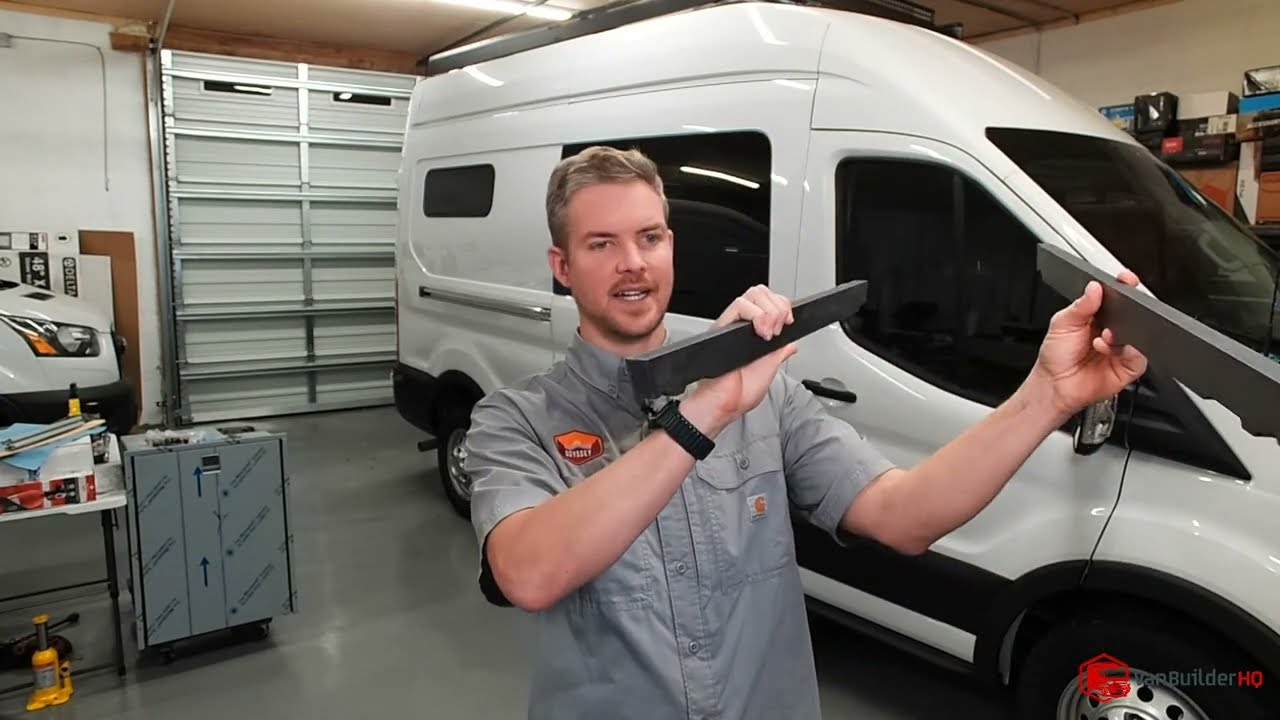
Learn how to plan a functional, safe camper van roof layout covering vent fans, solar panels, roof racks, AC units, awnings, lighting, and wiring.
 Build Guides
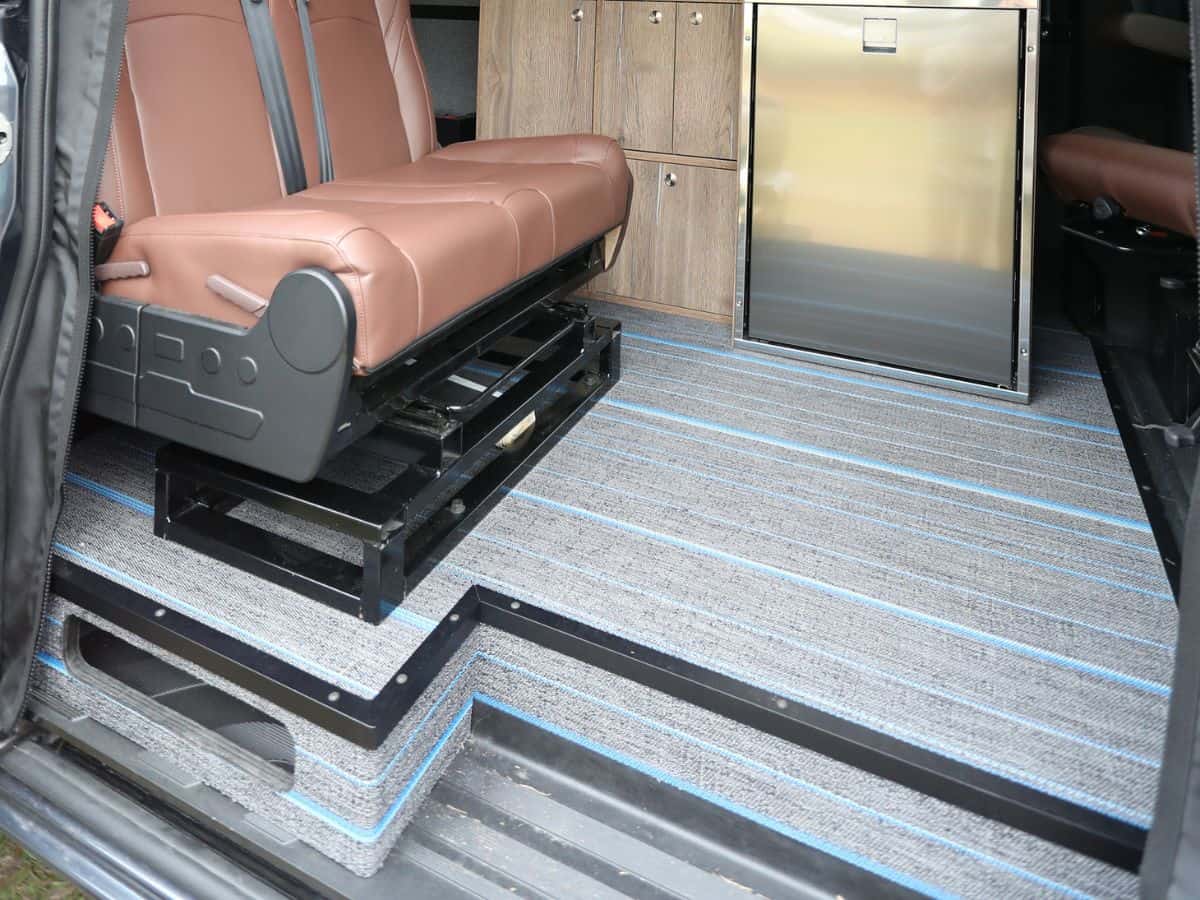
A guide to adding a stylish floor step or trim to your Ford Transit camper van, covering materials, safety, DIY steps, and pre-made options.
 Build Guides
A DIY install of a Raptor-style grill, new front bumper, and yellow fog light bulbs to give your Ford Transit a rugged, off-road look.