 Build Guides
 Building a Murphy Bed System in a Camper Van: Step-by-Step Guide
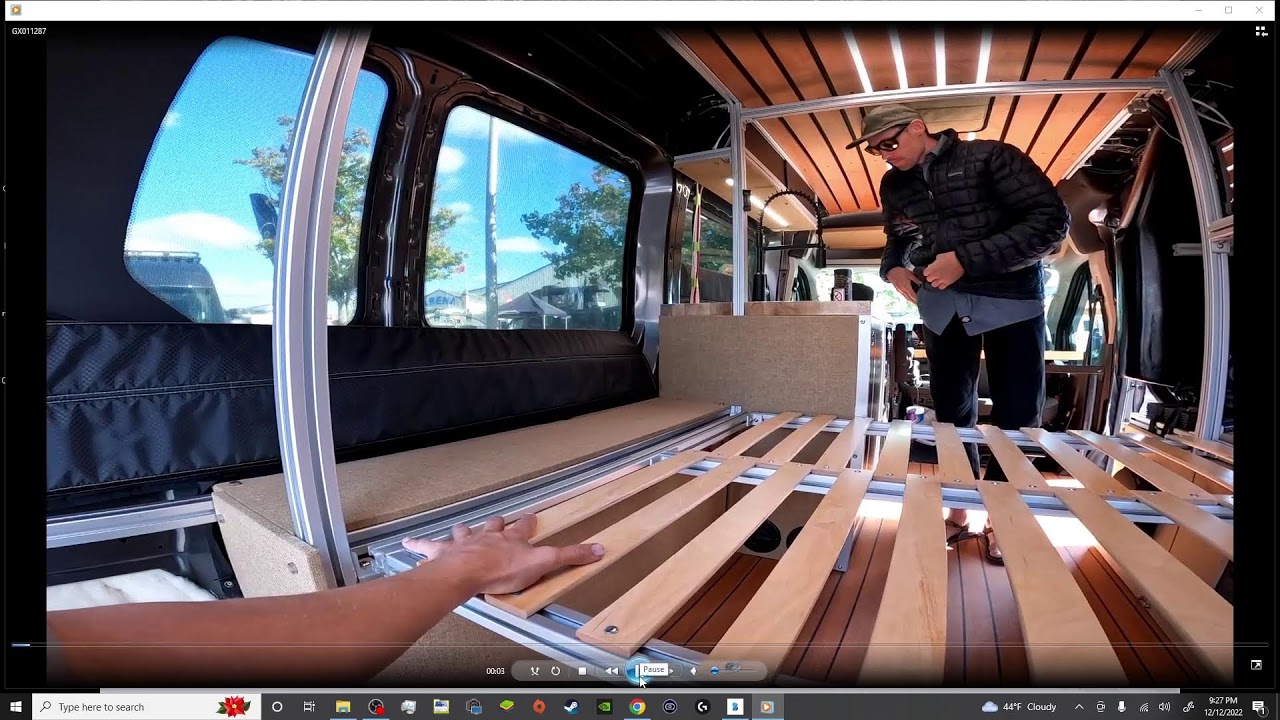
A step-by-step guide to building a fold-down Murphy bed in a medium roof Ford Transit using 8020 aluminum framing and spring-loaded hinges.

A guide to adding a stylish floor step or trim to your Ford Transit camper van, covering materials, safety, DIY steps, and pre-made options.
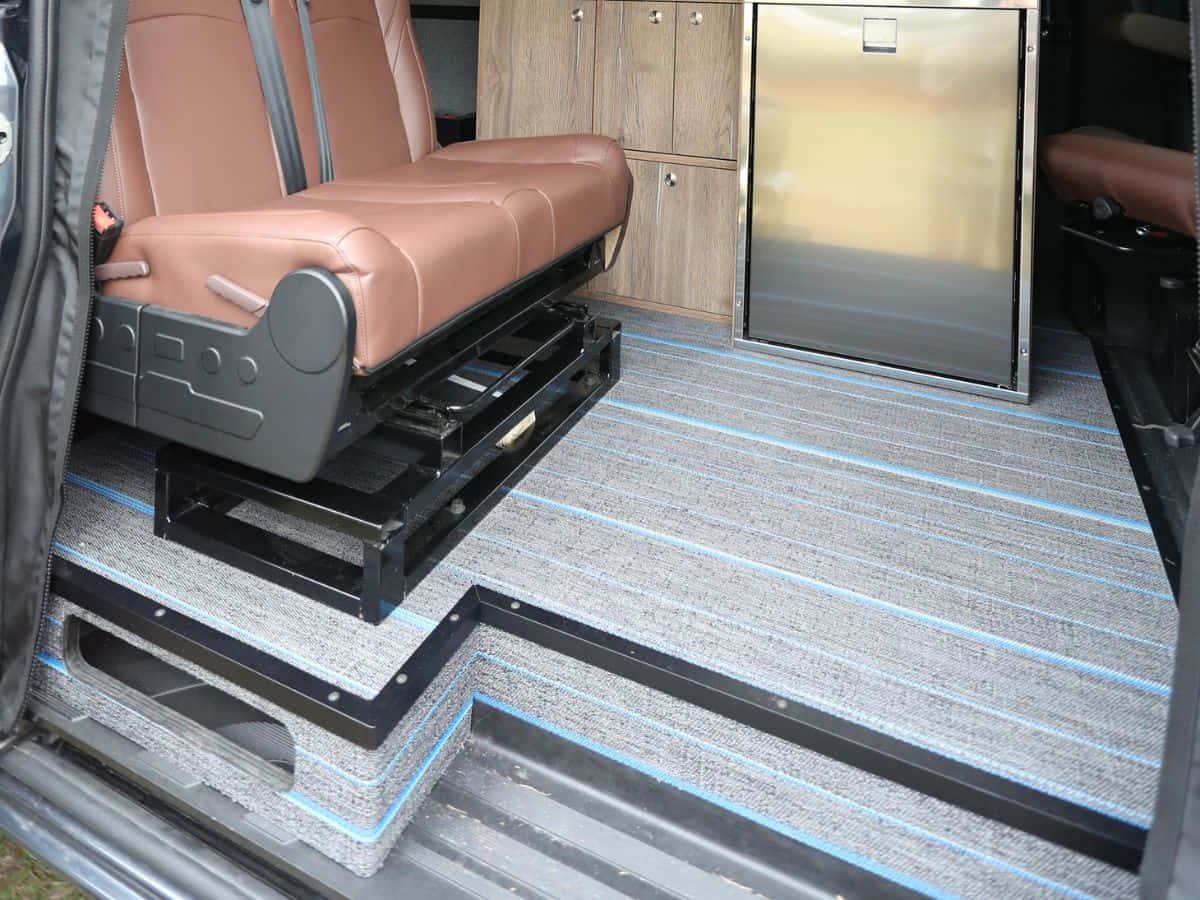
If you're looking to enhance your Ford Transit camper van, you may have considered adding a stylish floor step or trim.
This article will guide you through the entire process—from selecting materials, understanding safety considerations, to DIY steps and pre-made options—giving you the knowledge and confidence to take your van to the next level.
Read on to discover all the ins and outs of a successful camper van build.
Two Ways:
DIY Via Aluminum Step trim from you local Home Depot or Lowes Hardware
Pre-fabricated drop-in step and trim from an online manufacturer like AVC Rig
An aluminum step trim is a functional and aesthetic component often installed in the doorway of a Ford Transit camper van. It serves to provide a neat and clean finish to the van's floor, concealing any rough edges or visible underneath materials. Manufactured from durable aluminum, it offers robust protection against daily wear and tear. Additionally, the aluminum step trim is designed to offer secure footing when entering or exiting the van, enhancing safety as well as comfort for van occupants.
AVC Rig is an online manufacturer providing exceptional pre-fabricated drop-in step and trim solutions, specifically designed for Ford Transit camper vans. Their offerings are renowned for their precision-engineered fit, high-quality materials, and excellent durability. These plug-and-play elements ease the installation process as they are tailor-made for a range of Ford Transit models. You'll appreciate the clean, professional look they lend to your camper van, along with the benefits of increased safety and functionality. Available in various finishes, these steps and trims allow you to match or contrast the interior of your transit, providing a customization level to ensure your mobile living space represents your unique style and taste.
Incorporating a floor step trim can seamlessly transition the interior of your Ford Transit camper van to its entry/exit points, specifically the sliding door and rear cargo areas. Besides safeguarding your camper van chassis step area's finish from abrasion and weather elements, it also offers an easy-to-clean surface at the entrance. It's a clever way to not just protect but also enhance the aesthetics of your ride.
Although any material can be utilized provided it's properly treated, most camper van aficionados typically gravitate towards:
When it comes to materials for your Ford Transit camper van's floor steps, powder-coated steel is a popular choice. It's robust and highly resistant to chips and abrasions, ensuring longevity and durability in your van's finish.
Another great option is painted aluminum. Lighter than steel yet still strong, this material resists corrosion and adds a sleek, modern appearance to your camper van's flooring. It's also easy to maintain and clean, making your travels that much simpler.
Finally, consider the natural beauty and warmth of sealed hardwood for your floor steps. A treated hardwood can withstand the wear and tear of van life, providing a cozy, homely touch to your Ford Transit camper van.
How you install your floor step and trim in your Ford Transit camper van—be it DIY or through a professional outfitter—will largely dictate its removability. Remember, the floor step and trim can double as a handy conduit for electrical wires, potentially necessitating removal or replacement for future maintenance or upgrades. So, consider this aspect before finalizing your installation strategy.
Indeed, several companies offer ready-to-install step and trim kits customized for your specific Ford Transit camper van model. To ensure long-lasting use, it's crucial that these components are either powder-coated or sealed to prevent degradation or corrosion in the future.
Absolutely! Aside from the standard, pre-fabricated steps many DIY enthusiasts install, you also have the chance to create a bespoke entrance step with added functionality. Take a look at the photo below; we've converted the sliding door entrance step into a convenient storage area. This clever design allows for easy stowage of small, frequently-used items, such as dog leashes, shoes, gloves, tent stakes, and more. It's all about creating storage solutions where they're most needed and easily accessible!
Pondering on what materials to use? It's paramount to ensure the chosen surface offers adequate traction, especially when the step and trim could become wet or icy. Consider using options such as grip tape, diamond plates, or even crafting a tread pattern into the step itself. These will help guarantee a safe entry and exit from your camper van. A handy tip we'd love to share: Don't forget to install a grab handle near the step entrance! This could be a significant help – not just for you, but also for friends and family who might climb into your van.
Have you ever stopped to consider the way you use the steps when entering your van? It might seem trivial, but trust us, it's not. Do you prefer a reduced entrance size to accommodate a larger kitchen galley, or do you need a spacious entrance for the ease of moving items in and out of your camper van? Remember, when tackling the DIY route, it's crucial to think outside the box and strive for optimal space utilization.
Build Guides A step-by-step guide to building a fold-down Murphy bed in a medium roof Ford Transit using 8020 aluminum framing and spring-loaded hinges.
 Build Guides
 A DIY install of a Raptor-style grill, new front bumper, and yellow fog light bulbs to give your Ford Transit a rugged, off-road look.
 Build Guides
 How to plan a camper van floor layout using the Ford Transit, with tips on in-floor shower pans, flip-and-fold seating, and custom cabinetry.
 Build Guides
 A breakdown of van conversion costs, comparing DIY vs. professional builds, choosing the right vehicle, and budgeting for upfront and ongoing expenses.